Research undertaken through the Site Selection to Protect Papyrus Endemic Biodiversity in Uganda (SEBU) Project has highlighted the growing threats facing papyrus wetlands and the specialised biodiversity they support in southwestern Uganda.
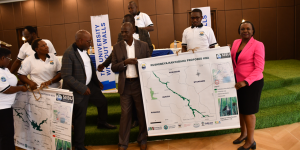
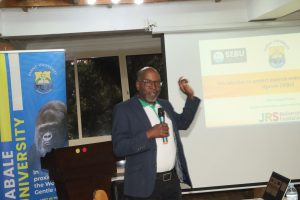
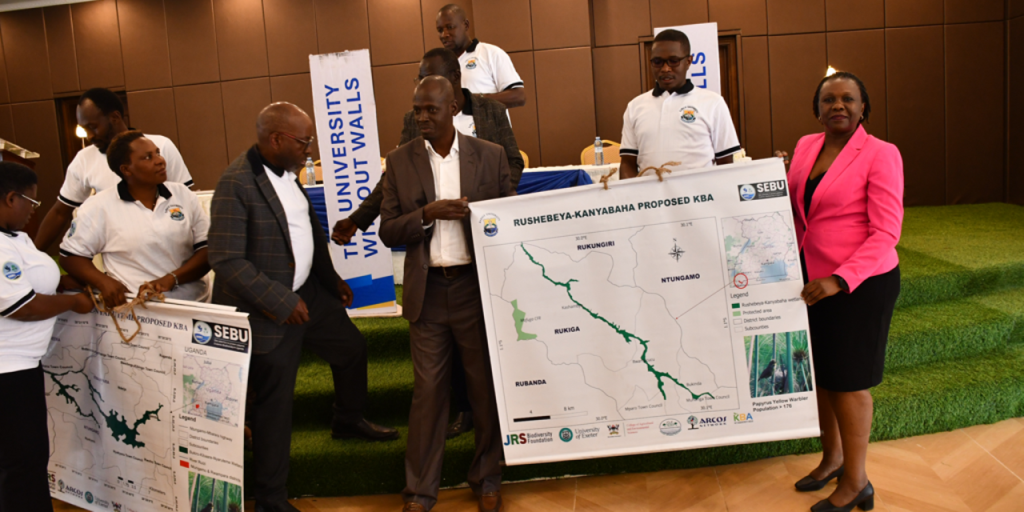
The findings received national media attention in a story published by Daily Monitor on 11 August 2026, following a dissemination and handover workshop held in Kabale. During the engagement, Kabale University researchers presented research findings supporting the conservation of papyrus endemic biodiversity in Kigezi and parts of Ankole to representatives of the Ministry of Water and Environment and the National Environment Management Authority (NEMA).
The workshop also brought together local leaders and stakeholders from Kabale, Rubanda, Rukiga, Rwampara and Ntungamo districts, creating an important platform for translating scientific evidence into conservation planning and action.
The three-year research initiative investigated papyrus wetlands and their biodiversity, with particular attention to species that depend on these ecosystems for breeding, feeding and shelter.
Research was undertaken in wetland systems including Bukiro-Kibaale, Nyamuriro, Rushebeya-Kanyabaha and Nyaruteme, as well as papyrus habitats associated with Lake Bunyonyi, Lake Mutanda and Lake Mulehe.
According to findings highlighted in the Daily Monitor report, researchers recorded 3,253 individual observations representing six papyrus-specialist bird species across the surveyed wetlands.
The study further established that Rushebeya-Kanyabaha, Bukiro-Kibaale and Nyaruteme wetlands support important populations of the vulnerable Papyrus Yellow Warbler, underscoring the conservation significance of these ecosystems.
Beyond birds, the research documented 44 herpetofauna species, comprising 32 amphibian species and 12 reptile species, further demonstrating the biodiversity value of the surveyed wetland landscapes.
Despite their ecological importance, the research identified significant threats to papyrus habitats. Agricultural expansion, wetland encroachment, establishment of cattle farms, habitat degradation and unsustainable resource use continue to place pressure on these fragile ecosystems.
Nyamuriro and Nyaruteme wetlands were among the areas reported to be experiencing increasing pressure from agricultural activities and cattle farming.
At the same time, substantial papyrus swamp habitats remain around Lake Bunyonyi and Lake Mutanda and within the Rushebeya-Kanyabaha and Bukiro-Kibaale wetland systems, presenting important opportunities for conservation, restoration and long-term biodiversity monitoring.
The SEBU research team recommended stronger measures to safeguard globally threatened papyrus-dependent species and protect the remaining high-altitude wetland ecosystems of southwestern Uganda.
The findings also provide scientific evidence to support the identification and protection of important biodiversity sites, restoration of degraded habitats, community-based conservation, biodiversity monitoring and Uganda’s national and international biodiversity commitments.
During the workshop, Dr Julius Arinaitwe, Dr Denis Okello and Dr Daniel Buyinza of Kabale University presented the research findings to government representatives.
In a keynote address delivered on his behalf, NEMA Executive Director Dr Barirega Akankwasah commended Kabale University and its development partners for supporting the development, implementation and dissemination of the research. Local authorities were encouraged to integrate the National Biodiversity Strategy and Action Plan III (2025–2030) into their development plans and programmes.
The dissemination and handover represent an important step in moving SEBU’s research beyond scientific documentation towards practical conservation interventions, policy engagement and long-term protection of Uganda’s papyrus wetland biodiversity.
This post is based on a story published by Daily Monitor on 11 August 2026, titled “Kigyezi wetlands under threat as papyrus birds decline – study,” written by Robert Muhereza.
Readers are encouraged to read the original Daily Monitor article for the full media coverage.