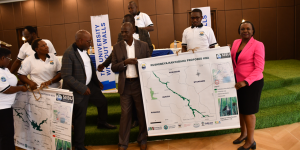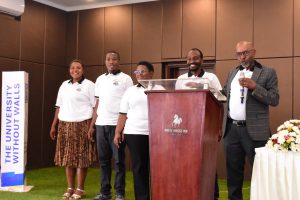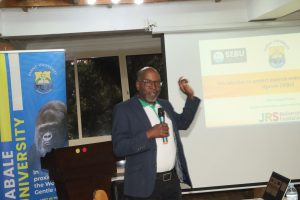
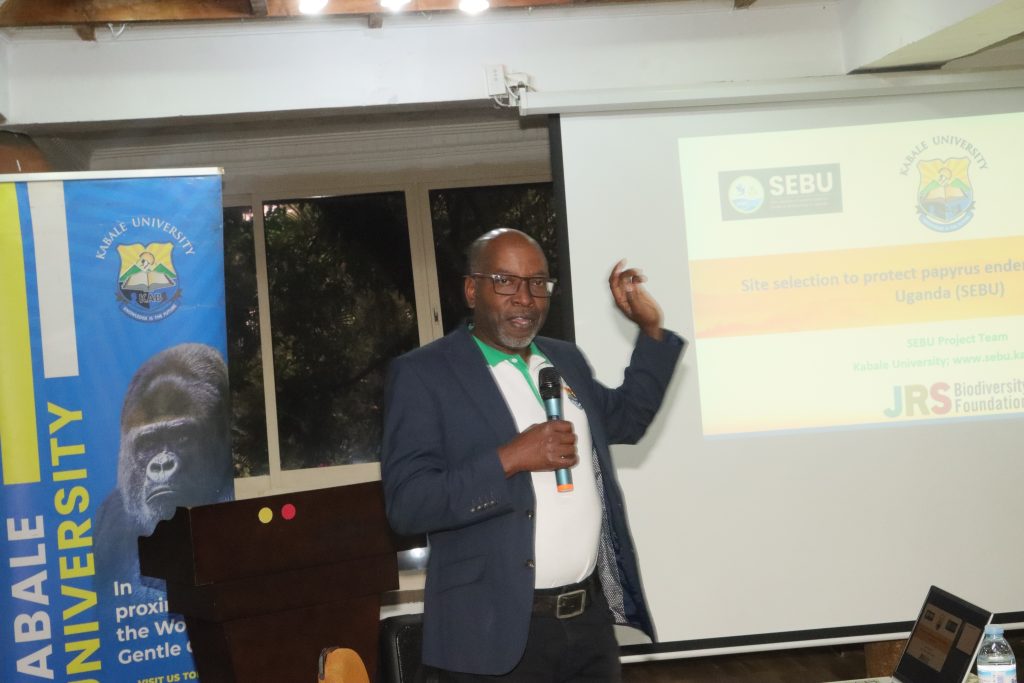
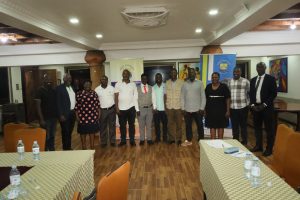
 The Site Selection for Protection of Papyrus Endemic Biodiversity in Uganda (SEBU) Project has taken a significant step towards advancing wetland conservation in Uganda following a stakeholder engagement meeting held on 29th May 2026 at Forest Cottages, Bukoto, Kampala.
The meeting brought together members of the National Key Biodiversity Area (KBA) Coordination Committee, biodiversity experts, conservation practitioners and representatives from partner institutions to review findings from the three-year SEBU project and deliberate on the proposal of three wetland sites for recognition as Key Biodiversity Areas under the global KBA Standard.
Implemented by Kabale University in collaboration with partners including the University of Exeter, United Kingdom, and funded by the JRS Biodiversity Foundation, the SEBU Project has focused on generating scientific evidence to support the conservation of papyrus wetland biodiversity in Uganda. Through extensive field surveys, habitat assessments, biodiversity monitoring and remote sensing analyses, the project has documented critical populations of papyrus endemic birds, reptiles and amphibians across several wetland ecosystems.
 During the meeting, the SEBU research team presented key findings highlighting the ecological importance of identified wetland networks and their contribution to national and global biodiversity conservation targets. Participants reviewed scientific evidence supporting the proposed KBA sites and provided technical guidance on the next steps required for consideration under the KBA Standard.
The engagement offered an important platform for dialogue between researchers and conservation stakeholders, ensuring that scientific findings are effectively integrated into conservation planning and policy processes. Discussions also emphasized the importance of strengthening site-based conservation efforts to contribute towards Uganda’s biodiversity commitments and the global 30×30 conservation targets.
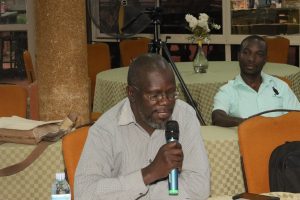
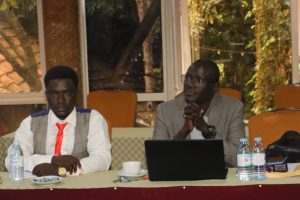 Speaking during the meeting, participants commended the SEBU Project for generating robust scientific data that supports evidence-based conservation decision-making and enhances understanding of Uganda’s unique papyrus wetland ecosystems.
The proposed designation of the identified sites as Key Biodiversity Areas is expected to strengthen conservation attention, mobilize resources for ecosystem protection and contribute to the long-term preservation of biodiversity associated with papyrus wetlands.
The meeting marks another important milestone for the SEBU Project in translating scientific research into practical conservation action and reinforcing collaboration among institutions committed to safeguarding Uganda’s biodiversity heritage.