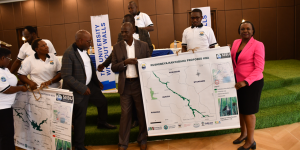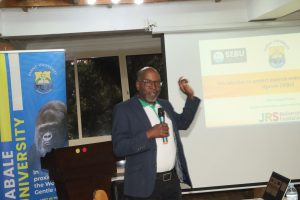
The Site Selection for Protection of Papyrus Endemic Biodiversity in Uganda (SEBU) Project has received national media recognition following a feature aired on NTV Uganda’s Weekend Edition programme, reported by journalist Benjamin Jumbe. The feature highlighted ongoing efforts to conserve rare and threatened species inhabiting Uganda’s fragile papyrus wetland ecosystems.
The television report showcased findings generated through the SEBU Project, a conservation initiative implemented by Kabale University in collaboration with national and international partners, with support from the JRS Biodiversity Foundation. The project focuses on identifying and protecting wetlands that support unique biodiversity, particularly papyrus-dependent bird species, reptiles and amphibians that are increasingly threatened by habitat degradation and environmental pressures.
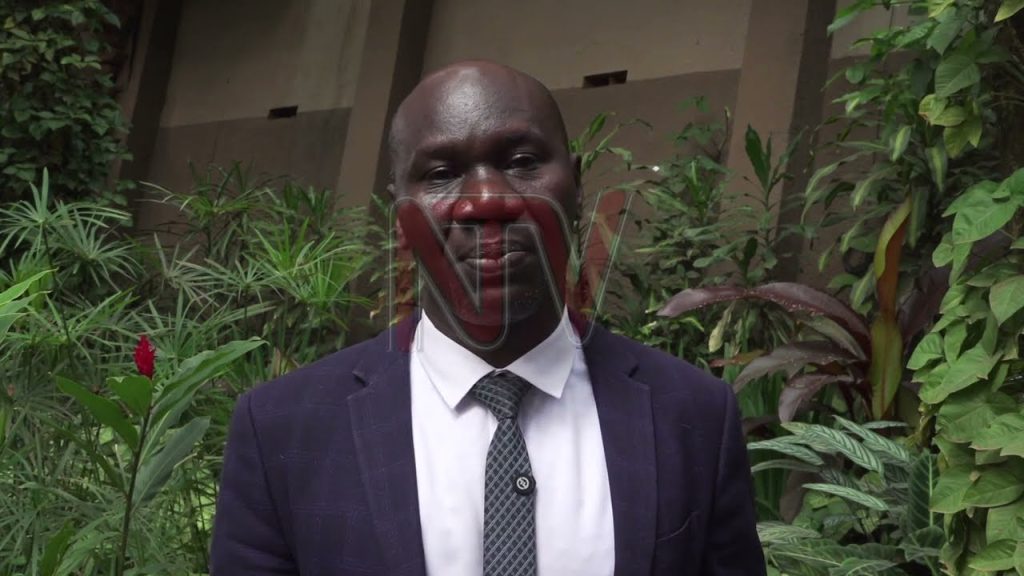
During the feature, Dr. Julius Arinaitwe, Project Lead of the SEBU Project, emphasized the importance of scientific research in generating evidence to guide conservation planning and sustainable ecosystem management. He highlighted the project’s contribution towards identifying ecologically important wetland sites and supporting efforts to secure their long-term protection.
Loy Natukunda, a Researcher at Kabale University and member of the SEBU Project team, discussed the extensive field surveys and biodiversity assessments undertaken across selected wetland ecosystems. She noted that the project has generated critical data on species distribution, habitat condition, and conservation priorities that are essential for informed decision-making.
The report also featured Achilles Byaruhanga, Executive Director of Nature Uganda, who underscored the importance of collaborative conservation efforts and the role of Key Biodiversity Areas (KBAs) in safeguarding habitats that support globally significant species. Dr. Richard Komakech from the National Environment Management Authority (NEMA) further highlighted the relevance of scientific evidence in strengthening environmental policy and conservation action.
The feature demonstrated how partnerships among researchers, conservation organizations, government agencies, and local communities are contributing to the protection of Uganda’s biodiversity-rich wetlands. It also reinforced the importance of conserving papyrus ecosystems that provide critical habitat for endemic and threatened species while supporting ecosystem services that benefit surrounding communities.
The national coverage by NTV Uganda reflects the growing recognition of the SEBU Project’s contribution to biodiversity conservation, environmental research, and evidence-based ecosystem management in Uganda. Through continued research, stakeholder engagement and conservation advocacy, the project remains committed to supporting the protection and sustainable management of papyrus wetlands and their unique biodiversity.
The full feature can be viewed on the NTV Uganda YouTube channel under the title: Nature Conservation: Rare Species in Fragile Ecosystems Under Threat.