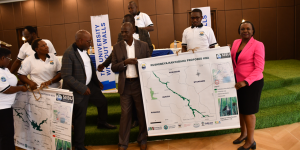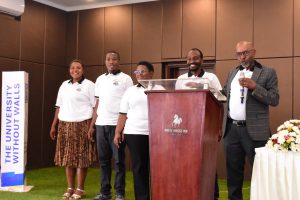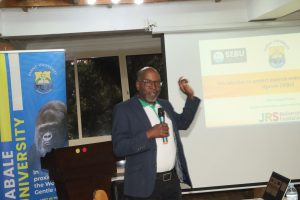
Kabale University continues to strengthen its regional contribution to biodiversity conservation and environmental research through a recent collaborative visit to Rwanda under the “Site Selection for the Protection of Papyrus Endemic Biodiversity in Uganda (SEBU)” project.
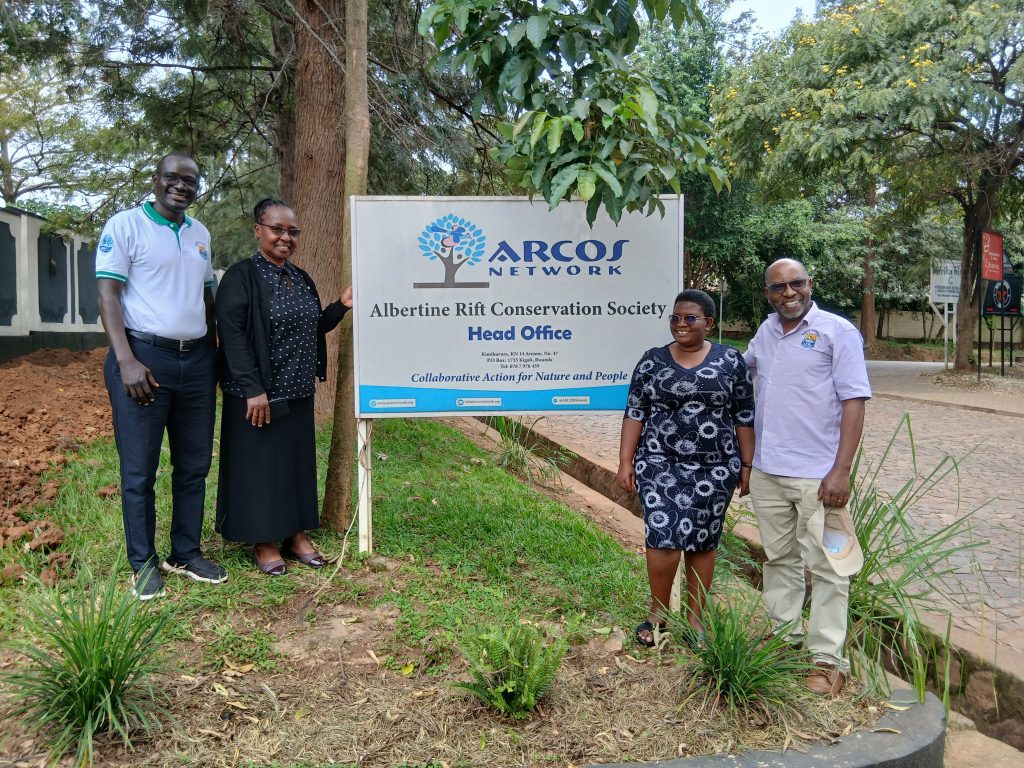
From 13th to 15th May 2026, a team comprising Dr. Julius Arinaitwe, Dr. Fiona Mutekanga, Dr. Okello Denis, and Loy Natukunda visited the offices of the Albertine Rift Conservation Society (ARCOS) in Kigali, Rwanda, to share research findings, strengthen partnerships, and explore opportunities for future collaboration in wetland conservation and restoration.
 The visit provided an opportunity for the team to present extensive biodiversity data collected during the SEBU project, particularly on papyrus endemic bird species in the wetlands in the Albertine Rift region of southwestern Uganda. The discussions focused on the role of scientific research in informing ecosystem restoration, conservation planning, and environmental policy across the Great Lakes Region.
During the meeting, the ARCOS team shared experiences from Rwanda’s wetland conservation initiatives and highlighted ongoing efforts in biodiversity conservation, climate resilience, ecosystem restoration, and regional policy engagement. The exchange created a valuable platform for learning and dialogue on shared environmental challenges affecting wetlands and biodiversity across East Africa.
One of the key outcomes of the engagement was the initiation of discussions toward a formal collaboration between Kabale University and ARCOS. The two institutions agreed to explore joint research, conservation projects, student learning opportunities, biodiversity monitoring, and collaborative resource mobilization. The SEBU team also began drafting a Memorandum of Understanding intended to guide future collaboration between the two institutions.
As part of the visit, the team conducted field surveys in selected wetlands of Bugesera District, including Murago Wetland and the Lake Rweru wetland system. During the surveys, several bird species of conservation importance were recorded, including Papyrus Gonolek (Laniarius mufumbiri), Carruthers’s Cisticola (Cisticola carruthersi), Greater Swamp Warbler (Acrocephalus rufescens), and White-winged Swamp Warbler (Bradypterus carpalis). Notably, these papyrus-associated species had also been recorded in wetlands surveyed under the SEBU project in southwestern Uganda, further highlighting the transboundary ecological significance of papyrus wetlands within the Albertine Rift region.
The observations were later submitted to eBird as part of global biodiversity data sharing and citizen science contributions and are publicly accessible through the following checklists: Murago wetland eBird Checklist https://ebird.org/checklist/S339143144 and Lake Rweru eBird Checklist https://ebird.org/checklist/S339160925
 The visit highlighted the importance of regional partnerships in addressing transboundary conservation challenges, particularly within fragile papyrus wetland ecosystems that support globally important biodiversity. It also demonstrated Kabale University’s growing role in applied environmental research, regional collaboration, and evidence-based conservation in the Albertine Rift region.
Speaking after the visit, members of the SEBU team emphasized that scientific research should go beyond data collection and publication to support practical restoration, community engagement, and policy action for sustainable ecosystem management.
The Rwanda exchange visit marks an important milestone in strengthening Kabale University’s regional conservation networks and advancing collaborative approaches to biodiversity conservation, wetland restoration, and environmental sustainability in East Africa.