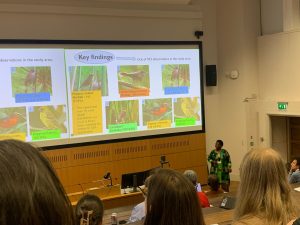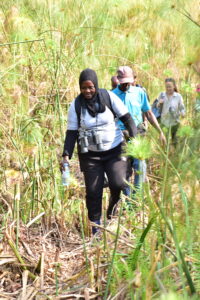
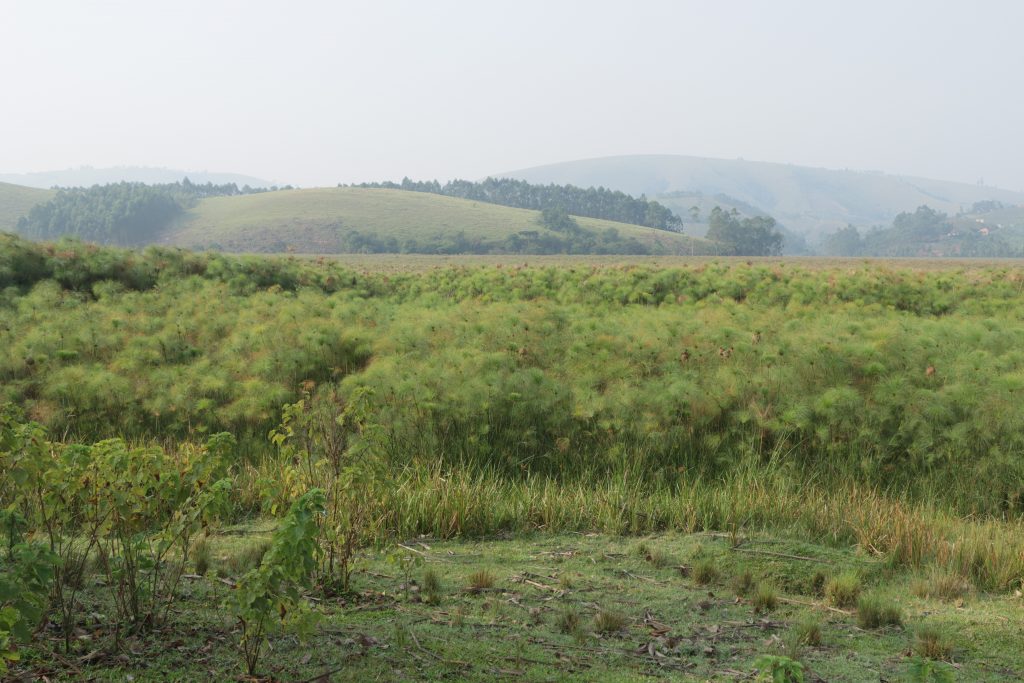
A significant contribution was made to Uganda’s 7th National Report on Biological Diversity by the Site Selection for Protection of Papyrus Endemic Biodiversity in Uganda project. Dr Denis Okello, one of the key researchers on the project, was invited to participate in the national reporting process, in which the SEBU project’s data was included.The SEBU project’s data provided critical insights into the conservation of papyrus wetlands, highlighting their ecological importance and the need for protection. This inclusion underscored the project’s role in informing national biodiversity strategies and supporting Uganda’s commitment to the CBD.
In 1992, the Earth Summit adopted the Convention on Biological Diversity (CBD), which has three main objectives: the conservation of biological diversity, the sustainable use of its components, and the fair sharing of the benefits of genetic resources. As a signatory, Uganda submits regular National Reports to track its progress towards fulfilling its CBD commitments, including the Aichi Biodiversity Targets and the newer Kunming-Montreal Global Biodiversity Framework.
The preliminary findings from the SEBU project research provide vital scientific underpinning for Uganda’s commitment to the Global Biodiversity Framework (GBF) particularly its ’30 by 30’ target. The ’30 by 30’ target (GBF Target 3) is a global commitment to conserve 30% of the planet’s terrestrial, inland water, coastal and marine areas by 2030 through effective, equitably managed and ecologically representative protected areas systems. The inclusion underscores the relevance and impact of our research in guiding national conservation strategies. This is particularly in the protection of papyrus wetland ecosystems and their unique biodiversity.
The research conducted in the high-altitude papyrus wetlands within the Albertine region directly supports Uganda’s commitment to the Convention on Biological Diversity (CBD) objectives. This includes the protection of endemic species and the sustainable management of critical habitats. While the findings regarding bird statistics are particularly interesting, the inclusion of herpetological data also provides significant data for decision-making. This is particularly significant as herpetological data provide insights into species distribution population dynamics and habitat health that are crucial for informed conservation planning. By integrating diverse datasets, research strengthens Uganda’s capacity to meet its biodiversity targets while addressing the broader ecological and socioeconomic challenges.
The Site Selection for Protection of Papyrus Endemic Biodiversity in Uganda project contributed data on papyrus ecosystems and endemic species. This is crucial for supporting National Biodiversity Strategies and Action Plans (NBSAPs) and assessing Uganda’s progress towards specific Convention on Biological Diversity (CBD) targets related to protecting threatened ecosystems and preventing species extinctions. The short-term tangible benefits align with the national biodiversity protection and conservation agenda and the University of Kabale’s philosophy and strategic orientation to improve society.
The contribution of the SEBU project highlights Kabale University’s role in providing scientifically grounded inputs to national and global biodiversity frameworks. It also reinforces our commitment to research that informs policy and promotes sustainable environmental stewardship. Kabale University, like all universities globally, plays a crucial role in biodiversity conservation. This is done by conducting research that informs policy decisions and supports sustainable management practices. This serves as a centre of knowledge and innovation providing the scientific basis for conservation strategies and initiatives.
Additionally through the SEBU project we have engaged in capacity-building by training future conservationists and raising awareness about the importance of preserving biodiversity.